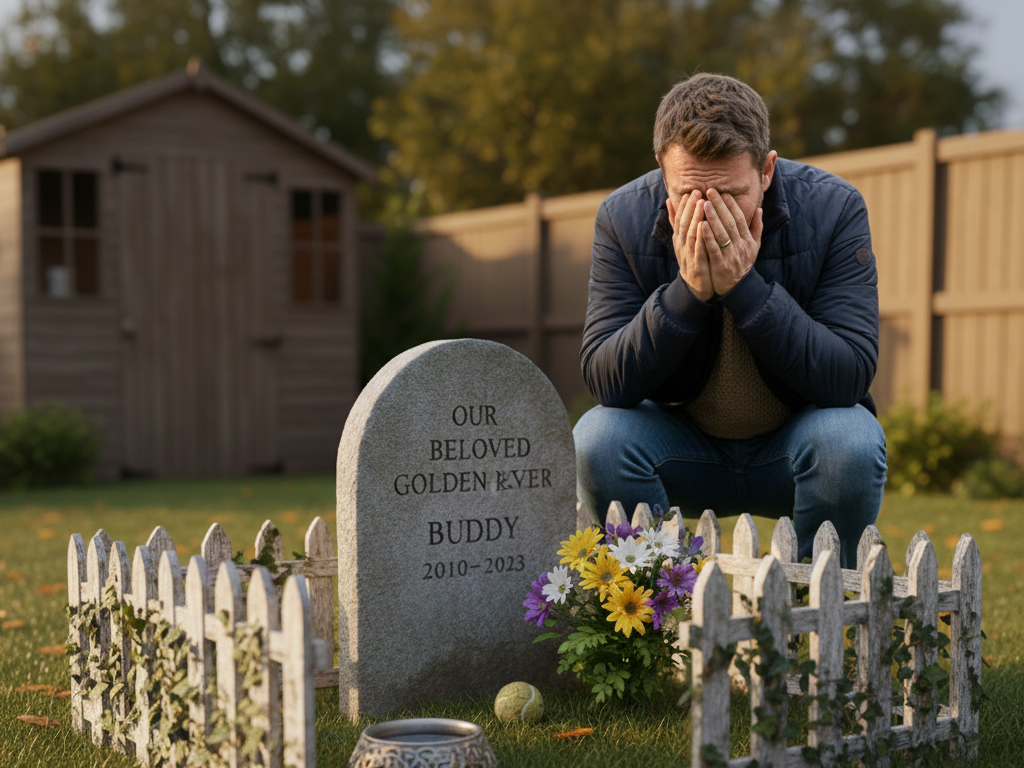
Grief After Losing a Pet Is Real — and Deeply Human
When a dog, cat, or any beloved animal companion dies, the heartbreak that follows can feel overwhelming. You may find yourself crying unexpectedly, withdrawing from people, or feeling physical heaviness that catches you off guard.
Here’s the truth you deserve to hear:
👉 Pet grief is real grief.
👉 Your emotions are valid.
👉 Your pain makes sense.
Pets are family. They shape your routines, comfort your heart, and become a steady presence in your life. When they’re gone, the world feels different — quieter, emptier, and painfully unfamiliar.
This guide will help you gently recognize the emotional and physical signs of pet grief, while offering supportive, compassionate ways to cope. Every heart heals differently, but you don’t have to do it alone.
Let’s walk through this with tenderness.
🐾 1. You Feel a Deep, Heavy Sadness
Why it happens:
Sadness is the most common and recognizable sign of pet grief.
When you lose a companion who was part of your daily life, your heart naturally aches.
You may experience:
frequent crying
emotional heaviness
feeling “blank” or drained
waves of pain that come and go
This sadness isn’t weakness — it’s love trying to find a place to go.
💛 How to cope:
Allow yourself to cry. Tears release stress hormones.
Talk to someone who understands pet loss.
Write a letter to your pet expressing your love.
Hold their collar, photo, or blanket if it brings comfort.
Sadness doesn’t mean you’re stuck — it means you cared deeply.
🧠 2. You Feel Confused, Forgetful, or Mentally Foggy
Why it happens:
Grief doesn’t only affect your heart — it affects your brain.
You might notice:
difficulty concentrating
forgetting things
feeling “foggy”
trouble making decisions
This happens because your mind is working overtime to process overwhelming emotions.
💛 How to cope:
Give yourself permission to slow down.
Keep to-do lists simple and easy.
Practice grounding techniques (deep breathing, warm showers, nature walks).
Lower expectations of productivity during early grief.
Your brain is healing too.
🌙 3. Your Sleep Is Disrupted
Why it happens:
Many grieving pet parents struggle with:
insomnia
nightmares
waking up frequently
sleeping too much
Your routine used to include your pet — their breathing, their warmth, their presence. Without them, bedtime may feel lonely or unsettling.
💛 How to cope:
Establish a gentle bedtime ritual (tea, warm light, soft playlist).
Keep a comforting object nearby (a favorite photo, their bandana).
Limit screens before bed.
Journal your thoughts to release mental tension.
Your sleep patterns will settle with time.
🍃 4. You Feel Physical Pain or Exhaustion
Why it happens:
Grief shows up in the body.
You may feel:
heaviness in your chest
headaches
tight shoulders
nausea
fatigue
This is your nervous system reacting to emotional stress.
💛 How to cope:
Drink water and nourish yourself gently.
Stretch your shoulders and chest daily.
Take slow, mindful walks — movement releases tension.
Rest whenever your body asks for it.
Your body carries your love — and your grief.
🏡 5. Your Home Feels Too Quiet or Empty
Why it happens:
Pets fill a home with life, sound, and routine.
Without:
their footsteps
their purring
their playful noises
their requests for attention
the silence can feel loud and painful.
You may walk into a room expecting them to greet you — then remember they’re gone. This is a natural brain response known as habit-based memory.
💛 How to cope:
Keep their favorite space decorated with a small memorial item.
Play soft music to ease the silence.
Light a candle in their honor each evening.
Talk to your pet out loud — it’s a healthy way to process grief.
Your home will feel different, but your connection remains.
💬 6. You Find Yourself Feeling Guilty or Second-Guessing Choices
Why it happens:
Guilt is extremely common, especially if you made medical or end-of-life decisions.
You may wonder:
“Did I do enough?”
“Was it the right time?”
“Should I have seen the signs sooner?”
“Did they know I loved them?”
This guilt is a reflection of love, not failure.
💛 How to cope:
Remind yourself: You acted out of love, not neglect.
Talk through your emotions with someone supportive.
Write down 10 ways you gave your pet a beautiful life.
Remember: your pet felt safe with you — that’s what matters most.
Self-kindness is part of healing.
🎞 7. You Replay Memories, Both Happy and Painful
Why it happens:
Your mind is trying to process the loss.
This may include:
vivid memories of joyful moments
moments during their illness
their final day
the first time you met them
This replay isn’t a sign something is wrong — it’s the brain’s way of organizing emotional information.
💛 How to cope:
Create a digital album or scrapbook to honor positive memories.
Gently redirect painful memories by picturing them healthy and joyful.
Practice mindfulness when distressing images appear.
Share stories with someone who understands the bond you had.
Your memories are part of your love story.
🕊 8. You Feel Socially Withdrawn or Detached from Others
Why it happens:
Grief can make you feel:
disconnected
numb
uninterested in socializing
misunderstood by people who minimize pet loss
Your heart is trying to protect itself.
💛 How to cope:
Communicate your needs (“I’m grieving right now — thank you for being patient with me”).
Seek out people who understand pet loss.
Join online communities or support groups.
Set gentle boundaries with anyone who dismisses your grief.
Connection, even in small doses, helps ease loneliness.
🐕 9. You Continue to “Feel” or “Sense” Your Pet Around You
Why it happens:
Many people who lose a pet experience:
hearing phantom footsteps
feeling a weight on the bed
catching a glimpse in the corner of their eye
sensing their presence in daily routines
This isn’t unusual — it’s your brain adjusting to their absence.
These sensations are part of a healthy attachment process.
💛 How to cope:
Instead of dismissing it, see it as part of the transition.
Take comfort in the idea that your bond is still alive in memory.
Record these moments in a journal — they often bring peace.
Normalize the experience by speaking with other grieving pet parents.
You’re not imagining your love — you’re feeling the imprint they left on your life.
🌈 10. You Are Searching for Meaning, Ritual, or a Way to Honor Them
Why it happens:
The desire to honor your pet comes from the depth of your bond.
Creating meaning helps your heart:
integrate the loss
celebrate the love
find emotional grounding
transform grief into remembrance
💛 How to cope:
Here are healing ways to honor your pet:
A. Create a digital memorial
A webpage, photo album, or video tribute.
B. Keep a memory box
Include their collar, photos, favorite toy, or letters.
C. Start a journal
Write to them, about them, or for your healing.
D. Plant a garden or flower in their honor
A beautiful symbol of ongoing growth.
E. Light a candle on special days
Birthdays, adoption anniversaries, or their passing date.
F. Donate or help another animal in their name
A powerful way to extend their legacy.
Meaning-making is a crucial part of healing.
🌦 Final Thoughts: Grief Is Love in Disguise
If you see yourself in any of these signs, know this:
You are not “too emotional.”
You are not “overreacting.”
You are not alone.
You are grieving because you loved — deeply, wholeheartedly, beautifully.
Your pet changed your life in ways big and small.
And their absence is supposed to hurt, because their presence mattered so much.
But healing is possible.
With time, support, compassion, and gentle rituals, the sharpest edges of grief soften. The sadness becomes lighter. The memories become warmer. And the love stays with you — always.
Your pet may be gone physically, but their story continues inside you.
And nothing, not even time or distance, can erase the bond you shared.