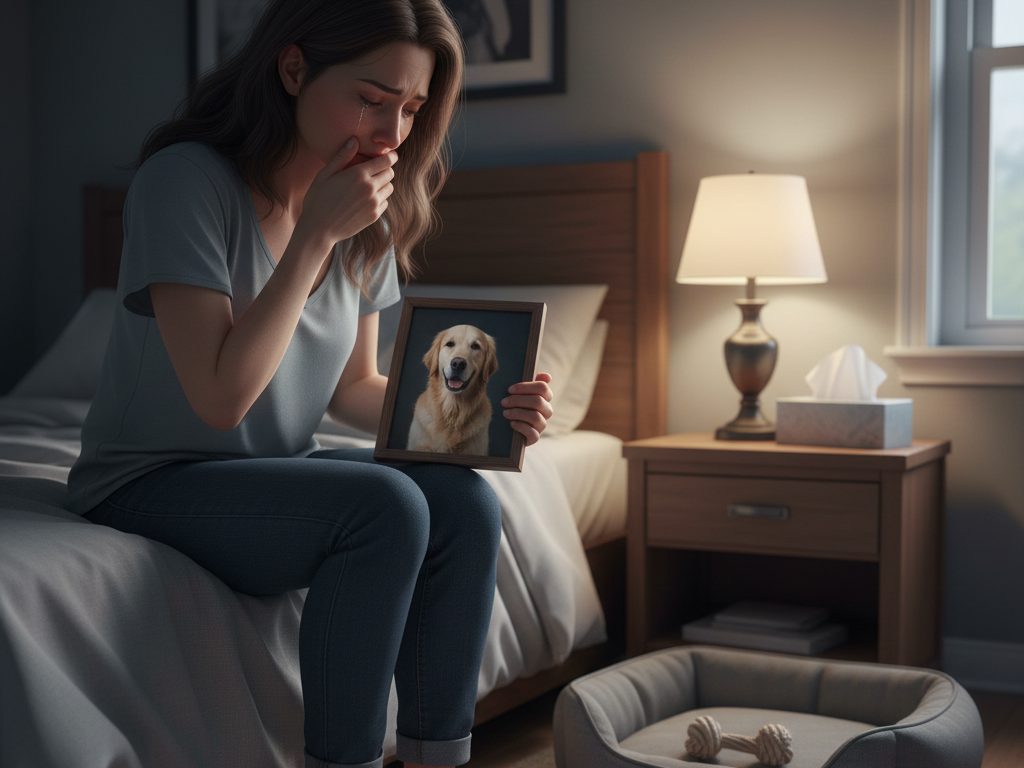
Losing a beloved dog or cat is heartbreaking, but what often surprises pet parents is the heavy guilt that settles in afterward. You may replay decisions in your mind, question whether you did enough, or wonder if you missed signs you should have caught. This emotional weight is incredibly common—yet deeply painful.
If you’re struggling with guilt after your pet’s passing, please know this: you are not alone, your feelings are valid, and healing is absolutely possible. This gentle, compassionate guide is designed to help you understand guilt, soften its impact, and move toward forgiveness and peace.
Why Guilt Appears After Losing a Pet
Guilt often stems from love. When we lose a pet who depended on us, our minds search for explanations, control, or answers—especially if their passing was sudden, unexpected, or involved medical decisions.
Common thoughts might include:
- “Did I miss something?”
- “Should I have chosen a different treatment?”
- “Was it too soon for euthanasia?”
- “Did my pet know how much I loved them?”
These questions arise not because you failed, but because you cared deeply. Guilt is often a distorted reflection of your devotion—not evidence of wrongdoing.
Step 1: Acknowledge Your Emotions with Compassion
Before healing begins, you must allow yourself to feel what you feel—without judgment.
Instead of telling yourself:
❌ “I shouldn’t feel guilty.”
Try gently shifting to:
✔️ “It makes sense that I feel this way because I loved my pet so much.”
Grief is complex, emotional, and deeply personal. Letting yourself experience your emotions is an act of courage, not weakness.
Step 2: Remind Yourself of What You Did Do
When grieving, your mind tends to focus on the “what ifs” instead of the countless ways you showed love. Take a moment to reflect on:
- The times you comforted your pet
- The meals, treats, and cuddles you shared
- The medical care, support, and attention you provided
- Your dedication during their final days
Write these down if you can. Seeing your love on paper helps counterbalance the heaviness of guilt.
Your pet lived a life filled with affection, safety, and companionship because of you.
Step 3: Understand That Hindsight Creates Unrealistic Expectations
After a pet passes, it becomes easy to believe you should have known more, seen more, or done more. But hindsight creates clarity you didn’t have in the moment.
At the time, you made the best decisions you could with:
- The information you had
- The emotions you were carrying
- The guidance available to you
- Your pet’s comfort and well-being in mind
You acted out of love—not carelessness or neglect. That matters more than anything.
Step 4: Talk About Your Feelings with Someone Who Understands
Sharing your guilt helps lighten its emotional load. You might talk to:
- A trusted friend
- A family member who loved your pet too
- A support group for pet loss
- A grief counselor or therapist
Even simply saying the words aloud—“I feel guilty because…”—can bring clarity and emotional relief.
When you speak your guilt, it becomes easier to understand, process, and release.
Step 5: Practice Self-Forgiveness Through Gentle Rituals
Forgiveness is not a single moment—it’s a series of small, healing steps. These simple rituals may help:
✨ Write a Letter to Your Pet
Tell them how you feel. Express your love, your guilt, your memories, and your gratitude.
✨ Create a Loving Memorial
A framed photo, a candle, a small garden, or a keepsake can remind you of the beauty of your shared bond—not the guilt.
✨ Speak to Your Pet in Your Heart
Many people find comfort in whispering gentle words such as:
“I’m sorry. I love you. Thank you for being part of my life.”
These rituals can soften guilt and create space for peace.
Step 6: Reframe Your Thoughts from Blame to Love
Whenever guilt arises, try replacing it with a compassionate truth:
- “I did my best.”
- “My pet felt loved every day.”
- “I made decisions with care, not harm.”
- “My pet’s life was better because I was in it.”
These affirmations are not empty words—they are reality. And they help transform guilt into remembrance and love.
Step 7: Allow Yourself to Heal at Your Own Pace
There is no deadline for grief. There is no timeline for forgiveness. Healing comes in soft, gradual waves—and that’s okay.
Your love for your pet was deep and meaningful. The guilt you feel is a reflection of that love, not a judgment of your worth.
Be patient with yourself. Be gentle. Healing happens slowly, then suddenly, then slowly again.
And through it all, the bond you shared with your pet remains unbroken—carried lovingly in your heart.