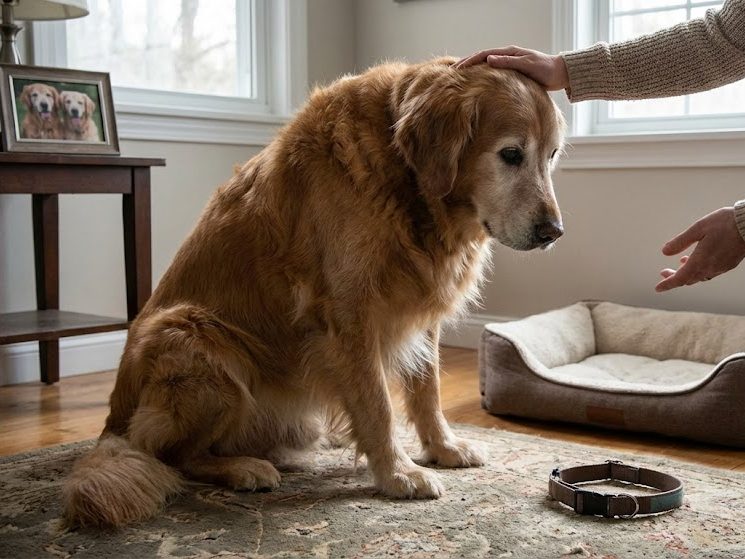
Losing a beloved pet is heartbreaking—not just for you, but for the animals who shared their home, routines, and bonds with them. While pets may not understand death in the same way humans do, they do feel absence, broken routines, and emotional energy in the home. Helping surviving pets adjust can bring comfort to the whole household.
Here are gentle, compassionate ways to support your pets as they grieve and adapt to life without their companion.
1. Allow Your Pets to Sense the Change
Pets rely heavily on scent and routine. When a companion passes away, they may look for them, wander restlessly, or wait near favorite spots. It’s okay to let them investigate the areas where the missing pet used to sleep or rest.
If you feel comfortable, some experts suggest letting surviving pets briefly sniff the body of the pet who passed. This can help them understand that their friend is no longer coming home. It can reduce confusion, pacing, and anxiety in the days ahead.
2. Maintain Familiar Routines to Build Security
Pets thrive on predictability. After a loss, your household energy may shift—but your pet needs consistent structure more than ever.
Try to keep:
• feeding times the same
• daily walks on schedule
• playtime predictable
Stable routines help pets regain a sense of safety and reduce stress-related behaviors like whining, barking, or withdrawal.
3. Offer Extra Comfort, Affection, and Reassurance
Just like people, pets may become clingier or more distant while grieving. Honor their unique needs:
- If they seek closeness, spend more time cuddling, petting, or sitting near them.
- If they prefer quiet spaces, allow them room to decompress.
Your calm presence helps them feel grounded during an emotional transition.
4. Stimulate Their Mind With Gentle Enrichment
Grief often causes pets to lose interest in normal activities. Gentle enrichment can lift their mood without overwhelming them:
- slow sniffing walks
- simple puzzle toys
- interactive feeders
- soothing grooming sessions
These activities encourage mental stimulation and emotional relief while strengthening your bond.
5. Introduce New Activities Slowly
Some pets become depressed or withdrawn after a companion dies. Adding new, positive experiences can help—but take it slowly. Start with low-energy activities like sunbathing outside, sitting at a window together, or visiting a quiet park.
Avoid introducing a new pet too soon. Give your grieving pet time to adjust before a major change.
6. Monitor Behavior Changes With Compassion
It’s normal for pets to show signs of grief such as:
- reduced appetite
- sleeping more
- searching for the missing pet
- vocalizing or whining
- acting clingy
These behaviors typically fade with time, love, and support. If symptoms worsen or continue for more than a few weeks, consult your veterinarian to rule out depression, anxiety, or health issues.
7. Create Gentle Rituals of Remembrance
Pets feel the emotional environment of your home. Memorial rituals can help everyone—humans and animals alike—process grief together.
Consider:
- lighting a candle in your pet’s honor
- placing a photo in a special spot
- creating a small memorial corner
- sharing quiet moments of reflection
These rituals bring peace, connection, and closure.
Losing a pet affects the entire household, including the furry friends they left behind. With compassion, patience, and stability, you can help your surviving pets heal—and create a loving space where memories are honored and hearts slowly mend.