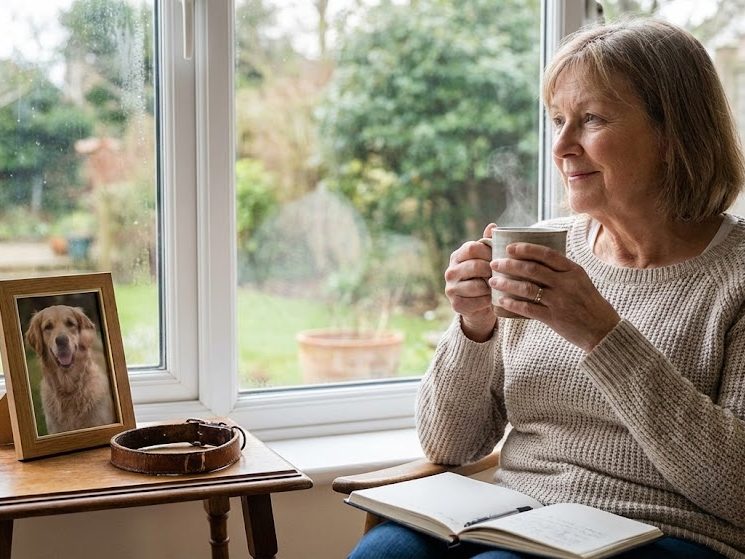
A tender guide for pet parents navigating one of life’s hardest decisions
Choosing euthanasia for a beloved dog or cat is one of the most heartbreaking choices a pet parent can face. Even when it’s the kindest option to end suffering, the emotional weight afterward can feel overwhelming. Many people experience guilt, doubt, sadness, and deep loneliness.
Finding peace after euthanasia takes time—and compassion for yourself. Here are gentle, supportive ways to help heal your emotional wounds and move toward a place of acceptance.
1. Remind Yourself Why You Made the Decision
When grief intensifies, it’s easy to question whether you did the right thing.
But euthanasia is an act of love—chosen to prevent pain, not cause it.
Remind yourself:
- My pet was suffering.
- I made a compassionate choice.
- I acted out of love, not convenience or fear.
Saying these words out loud can ease the spiral of doubt that many grieving pet parents face.
2. Allow Yourself to Grieve Without Judgment
It’s normal to feel waves of sadness, guilt, or emptiness after euthanasia.
Grief has no timeline. Give yourself permission to cry, reflect, and move at your own pace.
Your emotions do not mean you made the wrong decision—they mean you loved deeply.
3. Talk About Your Experience With Someone You Trust
Keeping your feelings bottled up can intensify guilt and sadness. Speaking with a compassionate friend, family member, or pet-loss support group can help you process your emotions.
Hearing someone say, “You did the right thing,” or “Your pet was lucky to have you,” can be incredibly healing.
4. Create a Peaceful Moment to Honor Your Pet
Honoring your pet in a gentle ritual can help you acknowledge the decision and find emotional release.
You might:
- light a candle
- write their name on a stone
- place flowers by their photo
- hold their collar and take a quiet breath
- say a few words of love and gratitude
Rituals transform grief into remembrance, offering comfort during overwhelming moments.
5. Write a Letter to Your Pet
Writing can be one of the most healing tools after euthanasia.
In your letter, you can express:
- your love
- your guilt or fears
- your favorite memories
- your hopes for their peace
This process helps bring emotions to the surface in a healthy, gentle way. Many people find that writing turns sadness into understanding.
6. Focus on the Life They Lived, Not Only the Final Moment
The final decision may feel heavy, but it is only one moment in a lifetime of love.
Try to shift your focus toward the joy you shared:
- the cuddles
- the walks
- the silly habits
- the comfort they brought
- the adventures you experienced together
Your pet’s story is filled with warmth, not just the ending. Let those memories be your anchor.
7. Understand That Euthanasia Is a Gift of Mercy
It may feel impossible to see it this way at first, but euthanasia is one of the most compassionate choices a pet parent can make.
It prevents pain.
It offers dignity.
It allows your pet to pass peacefully, surrounded by love.
Recognizing this truth, even slowly, can help soften the emotional wounds.
8. Seek Professional Help if You’re Struggling
If guilt or sorrow becomes overwhelming, talking to a counselor or pet-loss therapist can bring clarity and emotional relief.
Support is not a sign of weakness—it’s a wise, loving step toward healing.
Final Thoughts
Finding peace after euthanasia takes time, courage, and tenderness toward yourself. You made a compassionate decision, rooted in love and guided by your pet’s well-being. Although the grief may feel heavy now, it will soften.
Your pet felt safe, cherished, and loved because of you.
Their story lives on in your heart—and nothing can take that away.