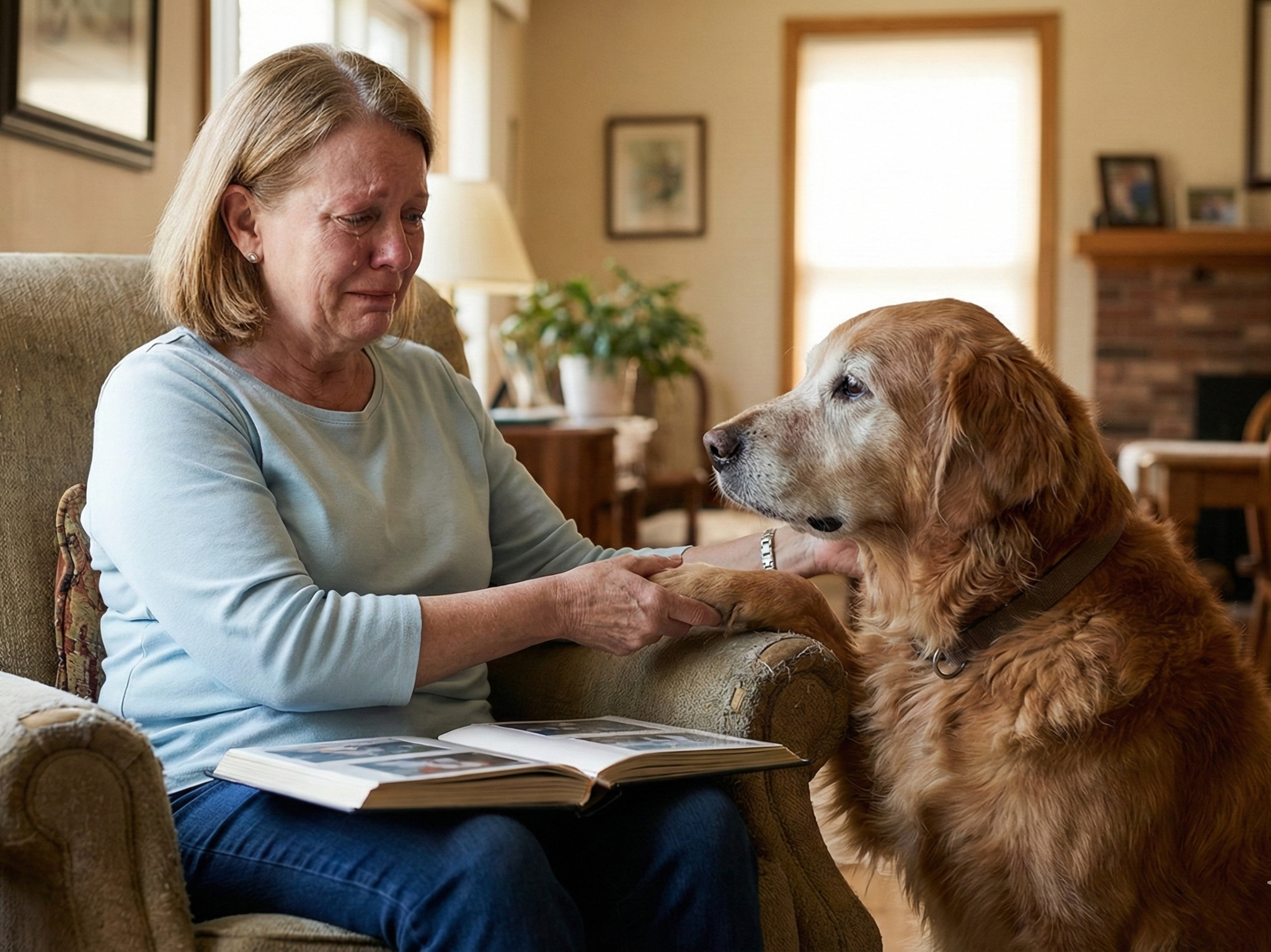
Loving a Pet Means Holding Joy and Heartache Together
When your dog, cat, or beloved companion begins to age or live with a serious illness, your heart may enter a tender space called anticipatory grief — the deep sadness that appears when you know a goodbye is approaching.
This kind of grief can feel confusing.
How can you mourn someone who is still here?
Why does each small decline feel like a heartbreak?
Why does your mind swing between hope, fear, love, and worry?
You’re not alone.
Preparing emotionally for the loss of a pet is one of the most vulnerable experiences a pet parent will ever face. This blog offers gentle guidance to help you move through this time with compassion, clarity, and emotional strength.
❤️ 1. Understand That Anticipatory Grief Is Normal
Many pet parents feel:
- sadness
- anxiety
- guilt
- emotional exhaustion
- constant worry
- overwhelming love
These feelings don’t mean you’re weak or “giving up.” They simply show how deeply bonded you are.
Anticipatory grief gives your heart time to gently process what’s coming. It’s your mind’s way of preparing for a painful change.
🌙 2. Allow Yourself to Feel Without Judgment
You may find yourself grieving in waves — crying one moment, then feeling okay the next. You may feel angry at the situation or guilty for imagining life after your pet passes.
Every emotion is valid.
Give yourself permission to:
- cry
- rest
- journal
- speak honestly about your fears
- sit quietly with your pet
Avoid telling yourself to “stay strong.”
True strength comes from allowing emotions, not suppressing them.
🐾 3. Spend Intentional, Meaningful Time With Your Pet
While your pet is still with you, these moments can become precious memories later.
Try:
- taking slower, gentler walks
- sitting together in their favorite spot
- capturing photos or videos
- giving extra cuddles or brushing sessions
- talking to them softly (they know your voice brings comfort)
You don’t have to create perfect moments — just be present. Your pet feels your love more than anything else.
🌼 4. Have Honest, Compassionate Conversations With Your Veterinarian
Understanding your pet’s condition and what to expect can reduce fear and uncertainty.
Ask your vet about:
- signs of pain or discomfort
- treatment options
- palliative care
- what quality of life looks like
- how to know when euthanasia may be the most compassionate choice
Knowledge doesn’t take away the sadness, but it gives your heart clarity instead of confusion.
🕊 5. Create Soft, Supportive Routines for Yourself
Caring for a declining pet can be emotionally draining. Self-care isn’t selfish — it’s essential.
Gentle practices that help:
- deep breathing exercises
- warm showers
- quiet walks in nature
- talking to a supportive friend
- joining a pet loss support group
- writing out emotions instead of holding them inside
You can care for your pet better when you are caring for yourself, too.
🌈 6. Explore Ways to Honor Their Legacy Before They Go
Creating memories now can bring comfort both in the present and later on.
Ideas include:
- making a paw print
- taking a “favorite day” outing
- journaling stories about them
- creating a small photo album
- recording the sound of their purr or bark
- writing them a letter
These acts can help you channel grief into love.
💛 7. Accept That There Is No “Right Way” to Prepare
Some days you may feel peaceful.
Other days you may feel devastated.
This emotional fluctuation is normal.
There is no correct timeline, no perfect mindset, no checklist for readiness. Preparing emotionally is about being gentle with yourself, moment by moment.
✨ Conclusion: Your Heart Is Doing the Best It Can
Preparing for the loss of a pet is one of life’s most tender emotional journeys. It is painful because the love you share is so deep and meaningful. But remember this:
You are doing your best.
Your pet feels your love.
Your emotions are valid.
You do not have to navigate this alone.
When the time comes, your love will guide you.
And even after goodbye, the bond you share will remain — soft, warm, and forever part of you.