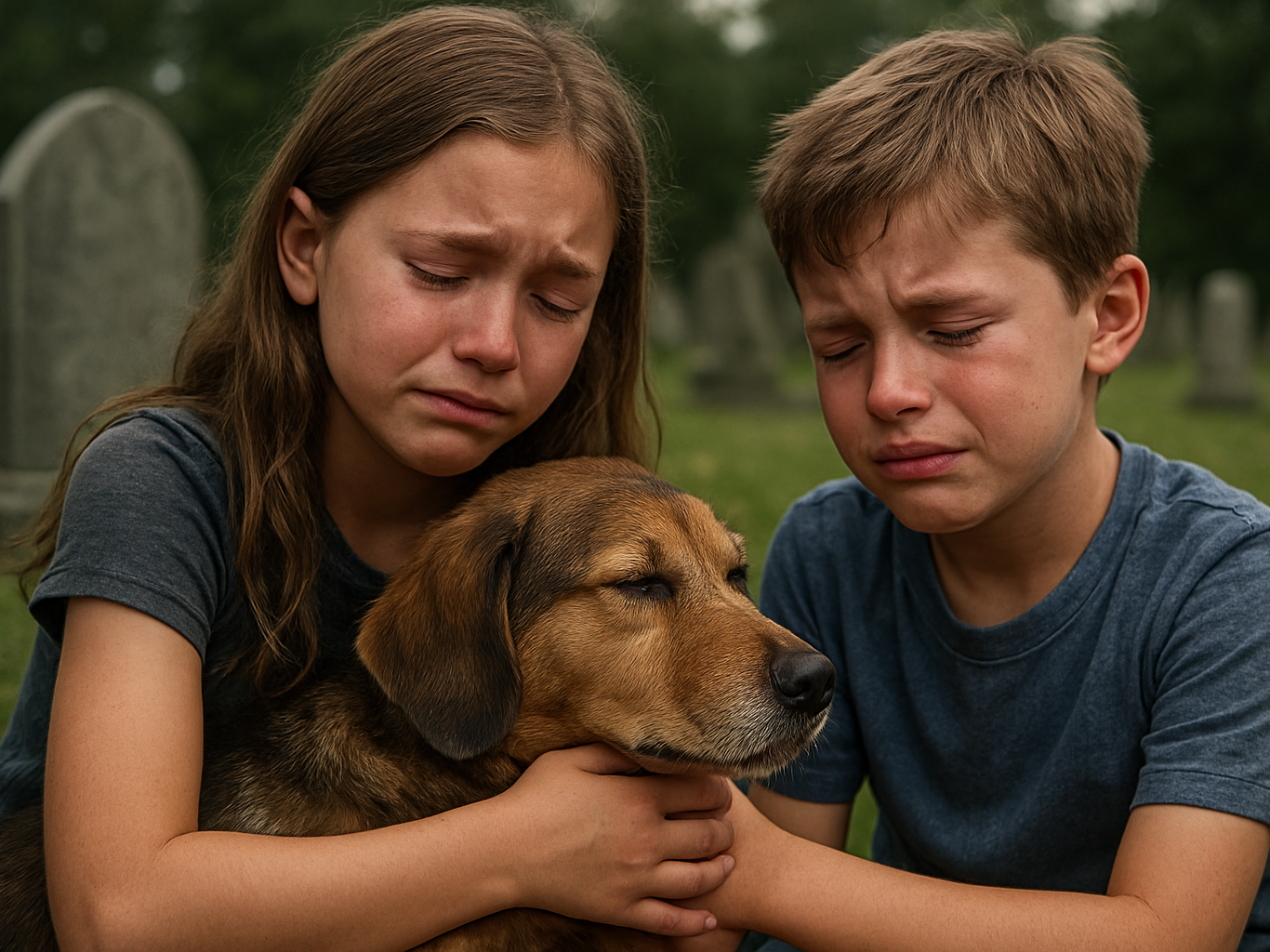
Why Talking About Your Pet Helps You Heal
When you lose a beloved dog, cat, or any furry friend, the silence they leave behind can feel overwhelming. Your home may be quieter, your routines may feel different, and your heart may ache in ways you didn’t expect.
One of the most powerful and surprisingly comforting ways to heal is by sharing your pet’s story.
Telling others about your pet—who they were, what they loved, how they made you laugh—helps keep their memory alive. It also reminds you that their life mattered, that their presence shaped yours, and that your bond still exists in the form of love and memory.
Storytelling is not just reminiscing.
It’s an act of healing.
❤️ Why Sharing Your Pet’s Story Matters
1. It Helps You Make Sense of Your Emotions
Grief can be messy, overwhelming, and unpredictable. When you talk about your pet:
- you organize your memories
- you express emotions you’ve been holding inside
- you find gentle clarity in your experience
Sharing your story gives shape to feelings that often feel too big or tangled to handle alone.
2. It Keeps Their Memory Alive
Your pet may no longer be physically present, but their story continues through you.
Each time you describe:
- their quirks
- their favorite toy
- their silly habits
- their brave spirit
- the way they comforted you
—you honor the love you shared.
Talking about your pet becomes a way of saying,
“They mattered. They made my life better. They will always be part of me.”
3. It Builds Connection With Others
You might be surprised how many people understand the heartbreak of losing a pet.
Sharing your story can:
- invite compassion
- strengthen friendships
- open conversations with others who have walked the same path
- remind you that you’re not grieving alone
Grief often makes people feel isolated, but storytelling brings community back into the healing process.
🌼 How to Share Your Pet’s Story (Gently and Meaningfully)
There’s no right or wrong way to talk about your beloved companion. Here are gentle, heartwarming ideas to help you begin:
1. Write a Letter to Your Pet
This can be a deeply emotional and healing ritual.
You might write about:
- how they changed your life
- your favorite memories
- the things you miss
- what you hope they knew
Letters help release emotions and capture memories you don’t want to forget.
2. Create a Short Post or Tribute Online
Many people find comfort in:
- posting photos
- sharing a favorite memory
- writing a brief tribute
- telling others how much their pet meant to them
Platforms like Facebook, Instagram, or pet memorial sites offer supportive communities that understand your grief.
3. Tell Their Story to a Friend or Family Member
A simple conversation can be incredibly healing.
Try telling someone:
- how you first met your pet
- a funny story you always remember
- what made your bond so special
Talking out loud helps your heart release what it’s holding inside.
4. Start a Memory Journal
A journal can be private, personal, and deeply soothing.
Write about:
- your pet’s milestones
- the lessons they taught you
- moments of love, comfort, or silliness
- how you’re coping each day
This becomes a gentle space to grieve and remember.
5. Create a Story-Based Keepsake
You can turn your pet’s story into something lasting, like:
- a scrapbook
- a printed photo book
- a framed written story
- a memorial video with captions
- a personalized poem
These keepsakes help preserve your memories in a way that feels tangible and comforting.
✨ Examples of Heartfelt Storytelling
If you’re unsure how to begin, here are simple prompts:
- “My favorite thing about my dog/cat was…”
- “One moment I’ll never forget is…”
- “They taught me to…”
- “Whenever I think of them, I remember how…”
- “What made them special was…”
Start small. Let the story unfold naturally.
🌈 Conclusion: Your Pet’s Story Deserves to Be Told
Sharing your pet’s story doesn’t make the grief disappear—but it softens it.
It turns pain into connection.
It transforms silence into remembrance.
It reminds you that love, once given, never truly leaves.
Your pet’s life was meaningful, and their story continues through your words.
Tell it as often as you need to.
Tell it in whatever way feels right.
Tell it with honesty, warmth, and love.
Because your pet’s story is not just a memory—
it’s a part of you.